


Walk into any alternative gathering, pop-punk night, or modern emo revival festival, and one thing becomes instantly clear: for emo culture, October 31st isn’t just a holiday, it’s an engine of identity. The connection between subculture and horror, macabre fashion, and autumnal dread is so deeply entrenched that outsiders often treat the subculture itself as little more than a costume. But how exactly did a musical genre rooted in emotional hardcore become so inseparable from Halloween? To understand why emo and spooky season are forever locked in a dark embrace, we have to look back at the intersection of 2000s retail culture, gothic influences, cinematic gore, and the angst of suburban youth searching for a place to fit in.
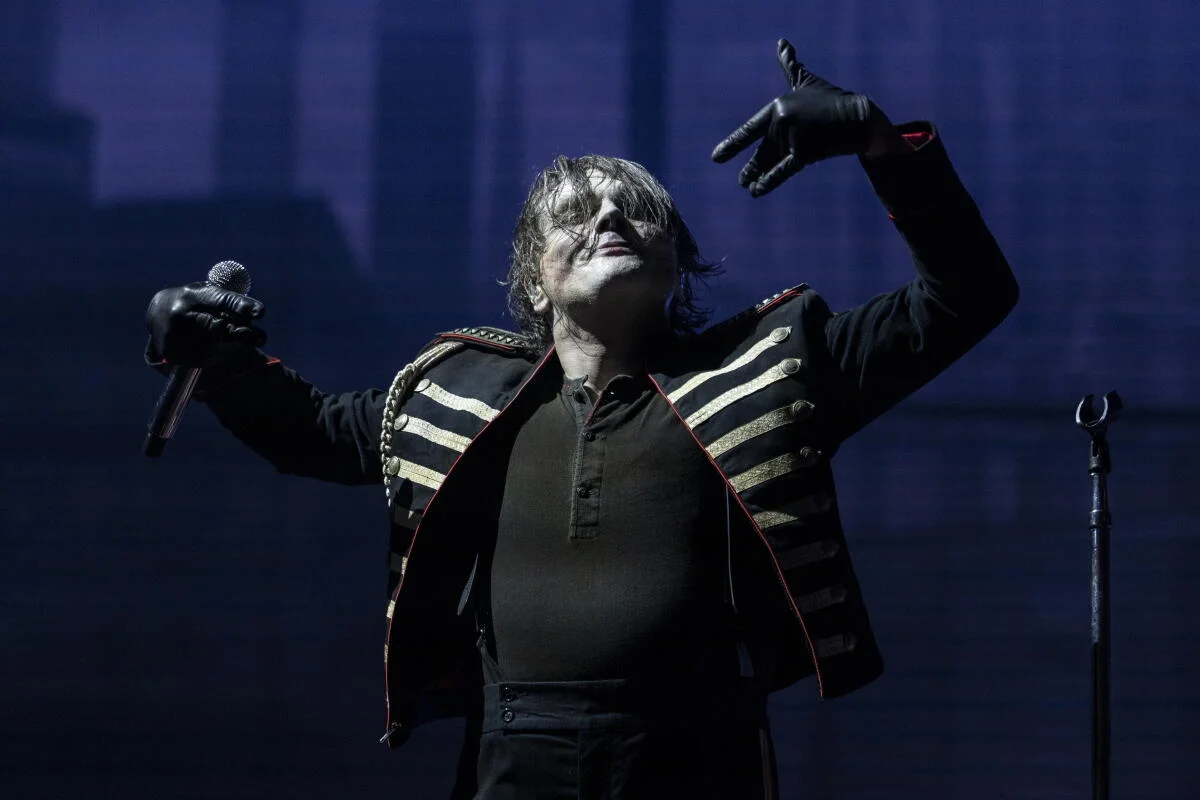
In the mid-2000s, as mainstream emo exploded, the epicenter of the movement wasn’t just local music venues it was the local shopping mall, specifically Hot Topic. Hot Topic bridged the gap between alternative music and horror pop culture. In the same display case where you could buy a band tee for My Chemical Romance, Fall Out Boy, or The Used, you’d also find merch for classic slasher films like Halloween, Friday the 13th, and A Nightmare on Elm Street. More than anything, Tim Burton’s The Nightmare Before Christmas became the undisputed holy grail of the scene. Jack Skellington’s gothic melancholia matched the emotional drama of the music, while black-and-white striped patterns bled seamlessly into band merch and stage wear. This striped, theatrical aesthetic echoed through the scene from the cabaret-inspired vaudeville wardrobes of Panic! At The Disco in their A Fever You Can't Sweat Out era to the bold, mismatched striped arm warmers and skinny jeans worn by crowds everywhere. Throw in cartoon series like Invader Zim with its dark humor, alien angst, and Gir-emblazoned accessories, and you had a retail universe where spooky media and emo tunes existed under one black-painted ceiling.
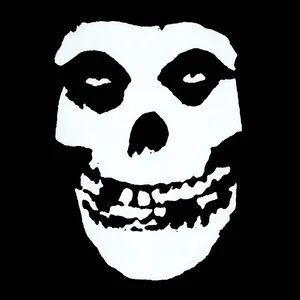
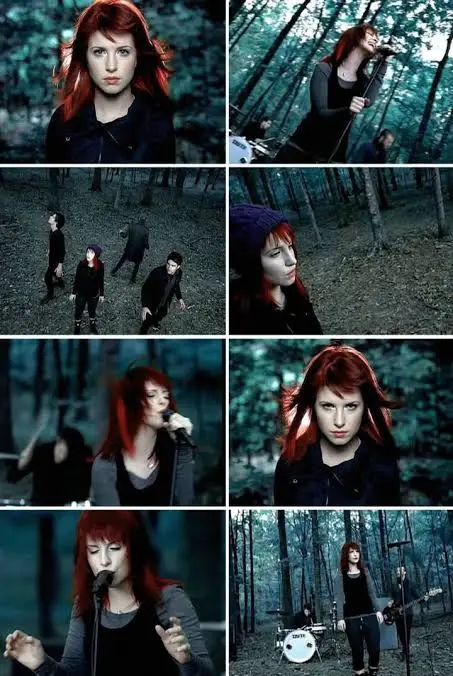
While emo grew out of the DIY hardcore punk scene of the 80s and 90s, the 2000s wave pulled heavily from gothic rock and post-punk forebears like The Cure, Siouxsie and the Banshees, and The Misfits. This gothic DNA manifested across the entire sensory spectrum. Visually, the color palette shifted strictly to shades of black, deep red, purple, and midnight blue, paired with silver chains, spikes, dark jewelry, and dramatic black eyeliner, a nod to classic horror vampires and 80s goth icons alike. Musically, bands took gothic melodrama and amplified it through modern guitar hooks. My Chemical Romance channeled horror movie tropes, theatrical vampires, and graveyard grandeur, most famously across Three Cheers for Sweet Revenge. Even pop-punk giants like Paramore wove darker, atmospheric sounds and imagery into their mid-2000s tracks, balancing bright hooks with shadowy aesthetic themes.
This theatrical darkness naturally extended to the lyrics themselves, which leaned heavily into emotional morbidity. Heartbreak wasn't just sad; it was fatal, gruesome, and poetic. This obsession with emotional morbidity naturally aligned with macabre and gory media. Comic books and films like The Crow provided a template: a tragic figure coming back from the grave, clad in black leather and corpse-like makeup, driven by loss and vengeance. The imagery of spilled blood, broken hearts, and haunting ghosts matched the lyrical themes of early 2000s post-hardcore and emo. To embrace the gruesome wasn't just about horror for shock value it was a physical metaphor for internal pain.
At its core, the rise of mainstream emo in the 2000s was fueled by teenagers looking to express feeling out of place. Halloween offered a safe harbor where being weird, dark, or dramatic was celebrated rather than mocked. By adopting spooky motifs year-round, emo youth created a permanent extension of Halloween in their daily lives. Wearing dark clothing, watching dark cartoons, and listening to music about death and heartbreak was the ultimate expression of teenage defiance a way to carve out an edgy identity distinct from pristine suburban expectations.
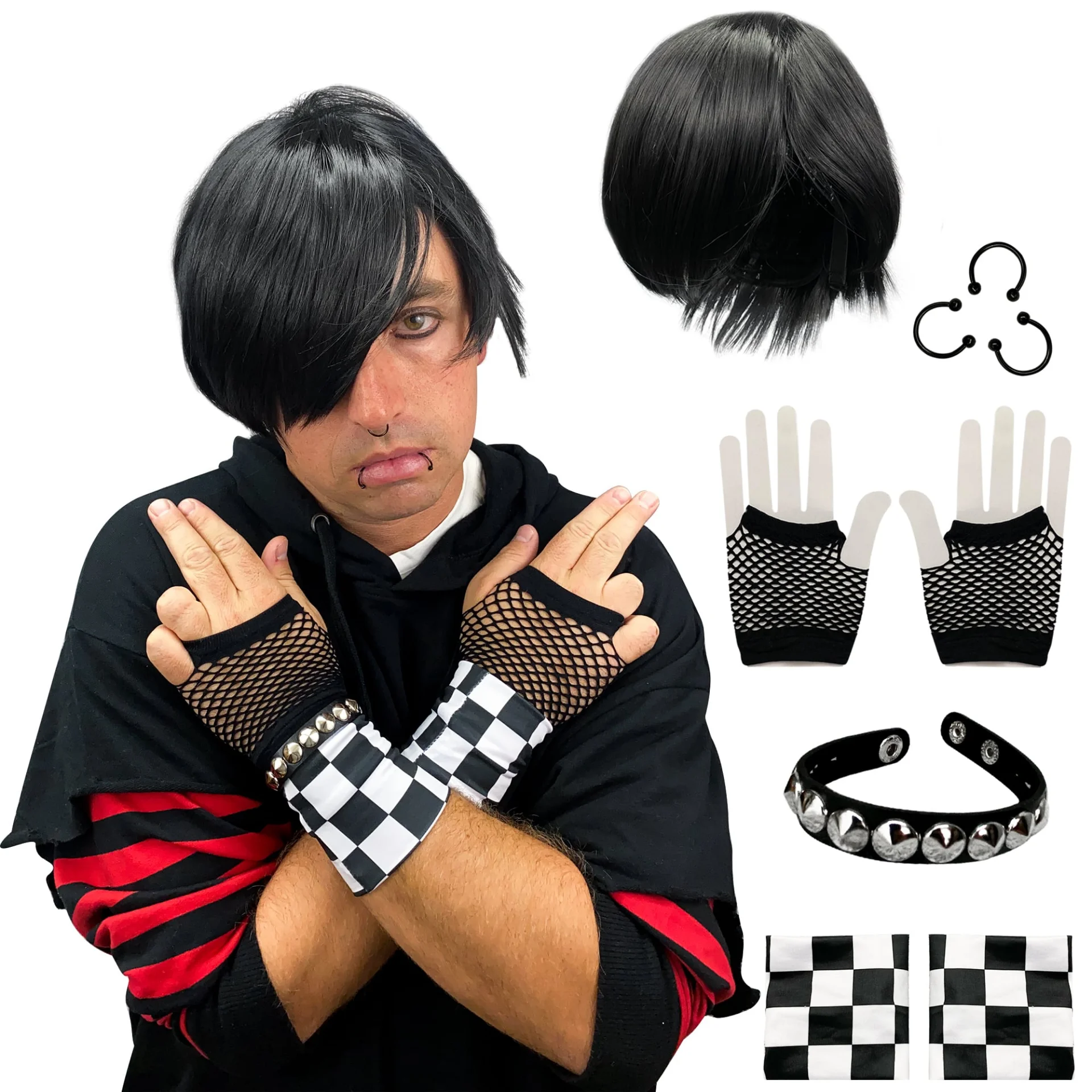
As mainstream media caught on, the visual hallmarks of emo swept bangs, dark eyeliner, horror tees, studded belts were rapidly flattened into a caricature. Because the subculture relied so heavily on theatrical horror elements and dramatic fashion, critics and casual observers began viewing the entire movement as a gimmick or a phase. By the late 2000s, "emo" became a staple Halloween costume in itself: slap on a black wig, smudge some eyeliner, throw on a striped shirt, and you had an instant party trick.
Yet, while the mainstream turned it into a seasonal joke, the connection between Halloween and emo survived because both share the exact same soul. Halloween is the one day a year when society permits people to step outside social norms, embrace the shadows, wear their inner monsters on their sleeves, and find community in the strange and misunderstood. Emo culture took that exact annual permission slip and turned it into a year-round lifestyle. The two are fundamentally inseparable because emo is, at its root, the permanent spirit of Halloween: a sanctuary for misfits, a celebration of the dark and mysterious, and a home for anyone who feels a little haunted inside.