


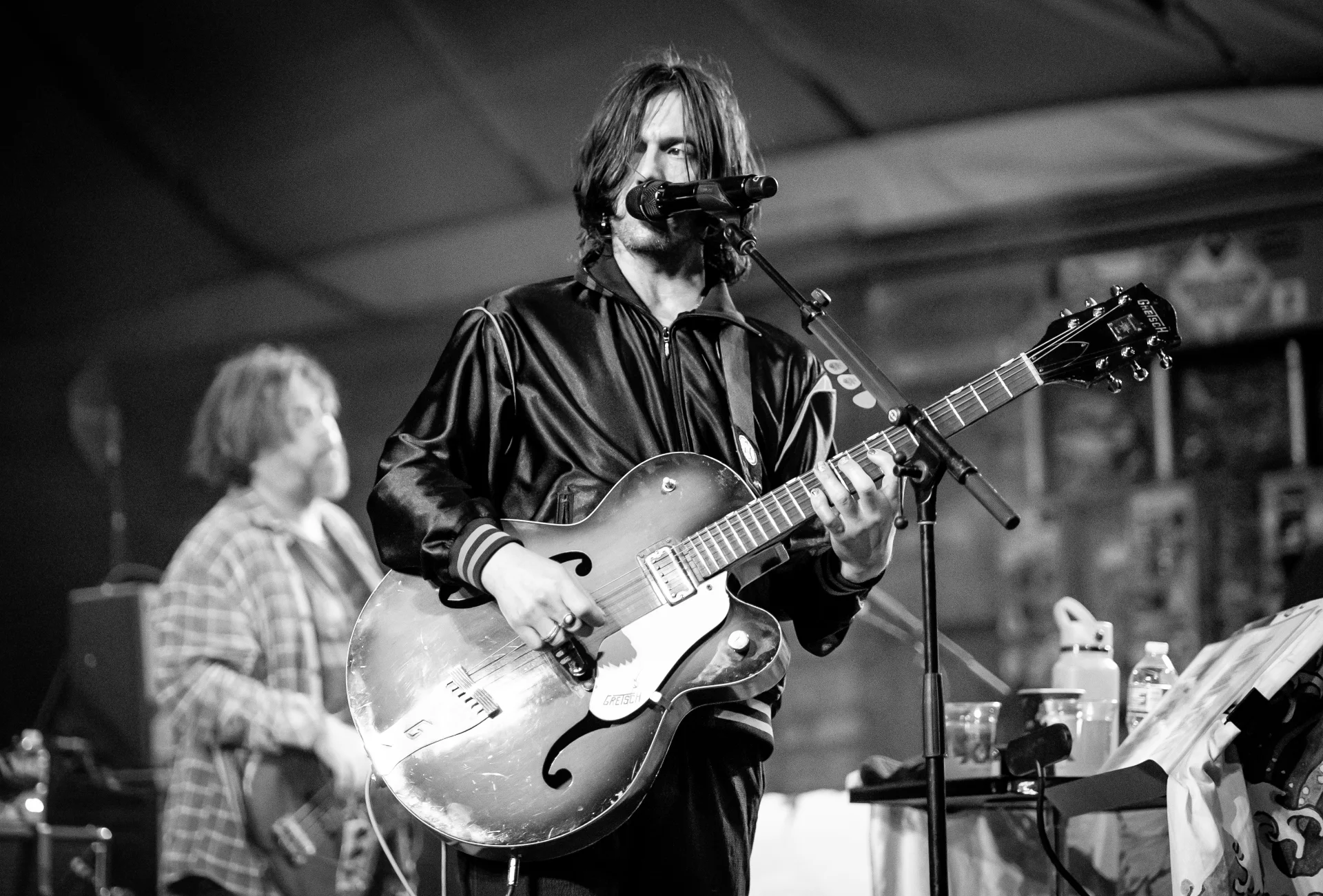
There are few moments in a teenager’s life that are more satisfying than speeding down a highway with the car speakers blaring your favorite song. Sometimes the song is loud and fast and makes you feel like these are the best days of your life. Sometimes it’s anthemic and audacious and can only truly be experienced with a group of friends scream-singing every word like some kind of discordant chorus of teenage angst and joy. And then sometimes the song is ten minutes long and has no chorus, starts with a God damn timpani roll and has verses about coming up short, failing, being overwhelmed by the futility of the world, waking up in the hospital after an overdose and above the desire to love and to be loved and hoping that is enough.
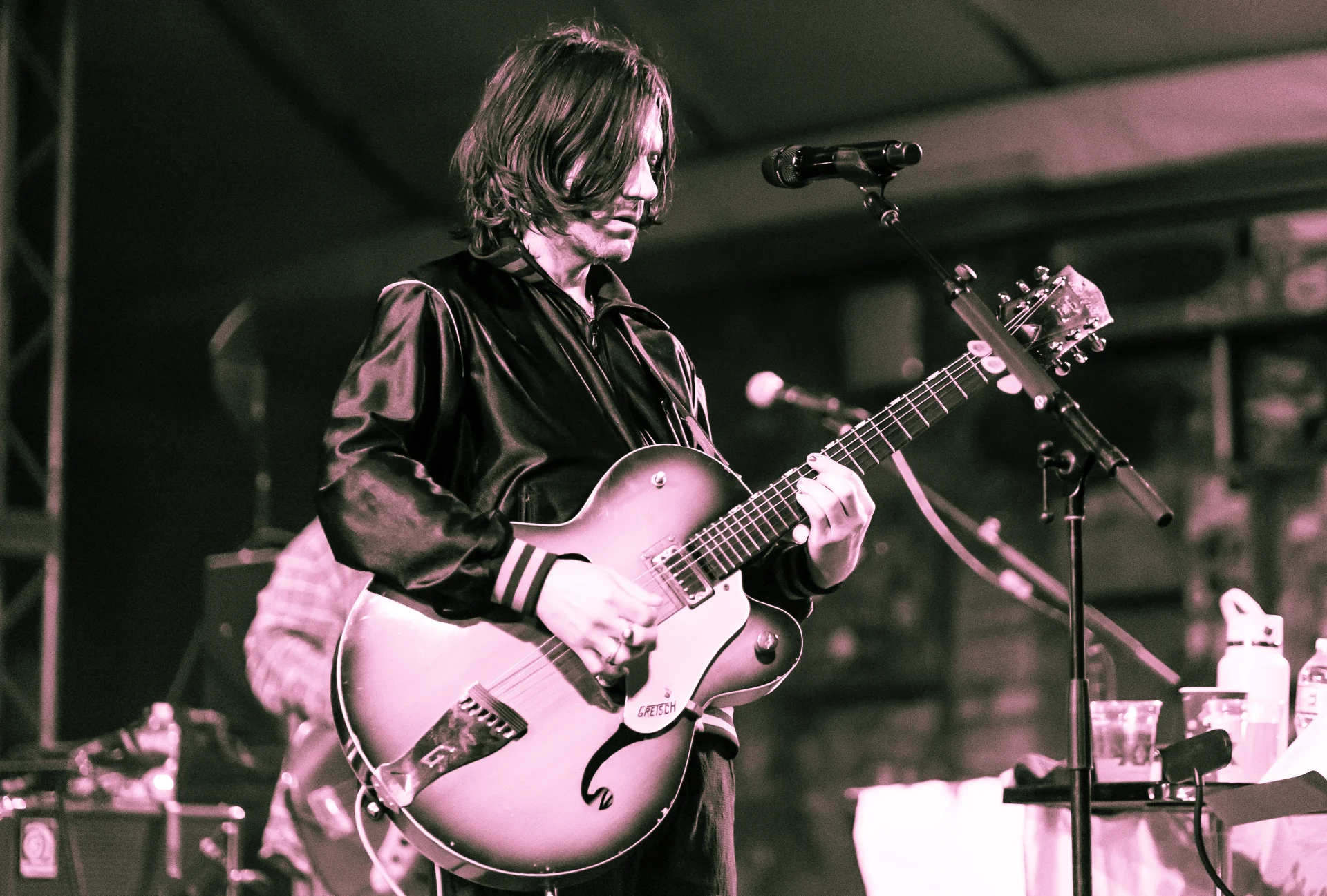
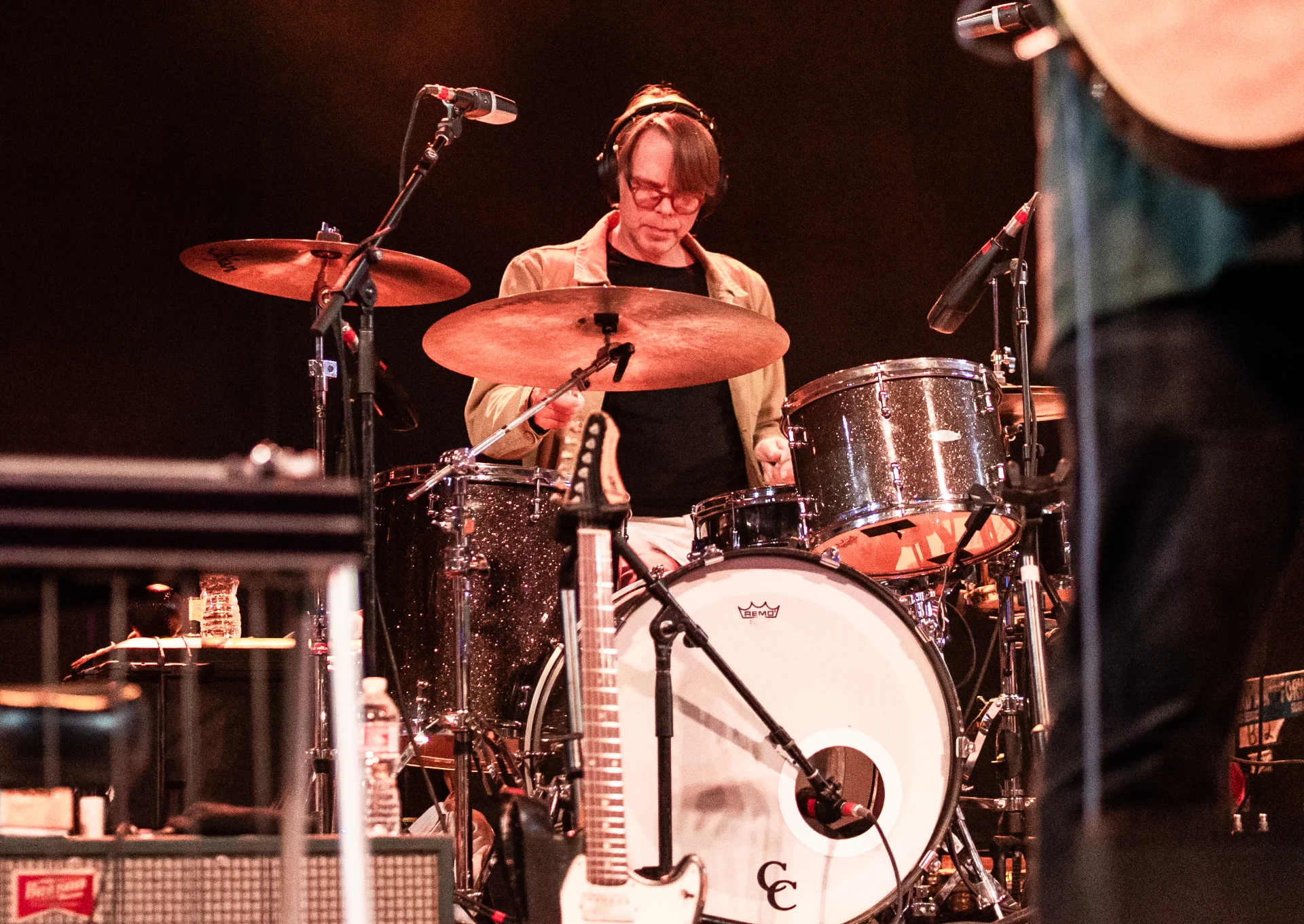
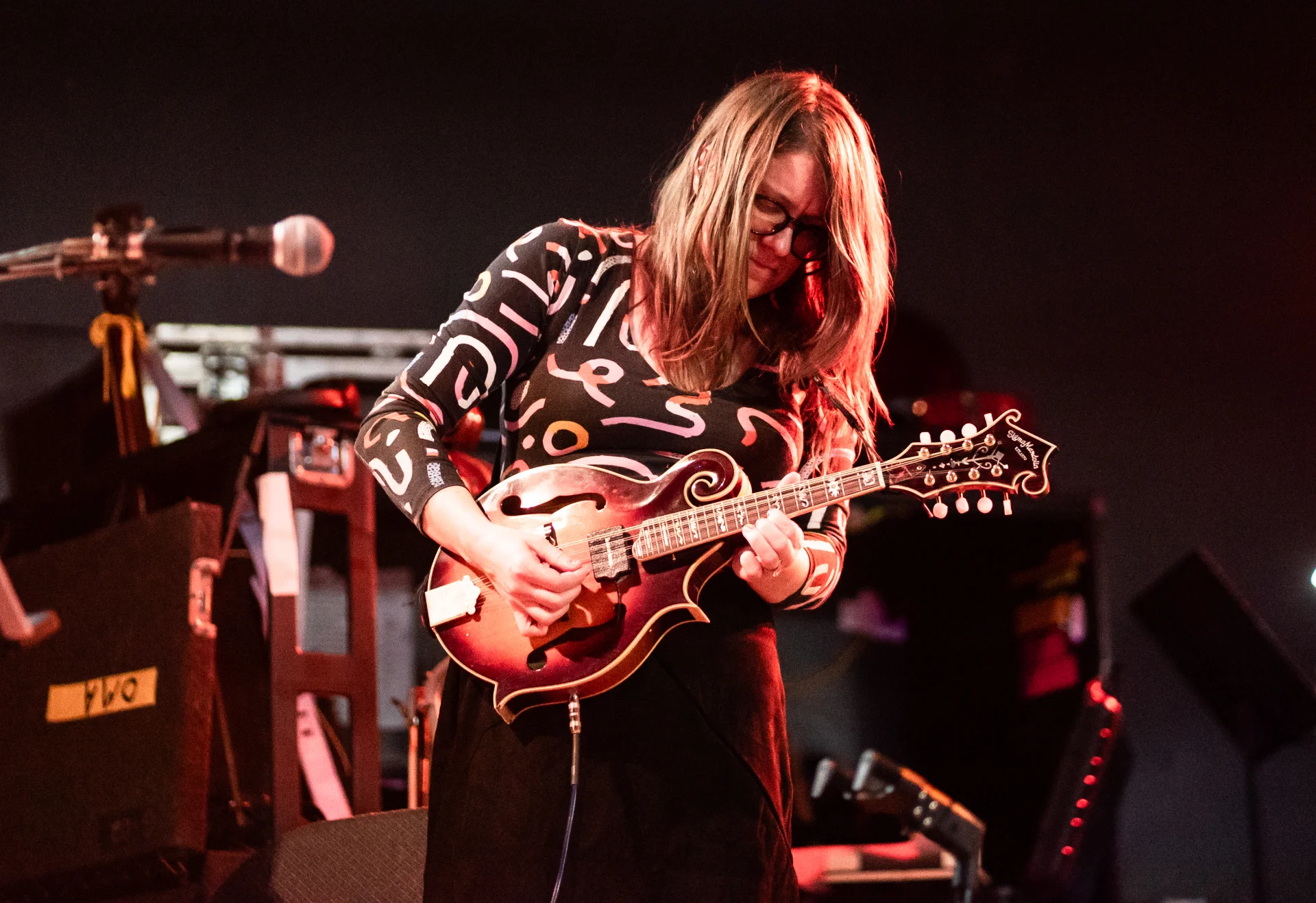
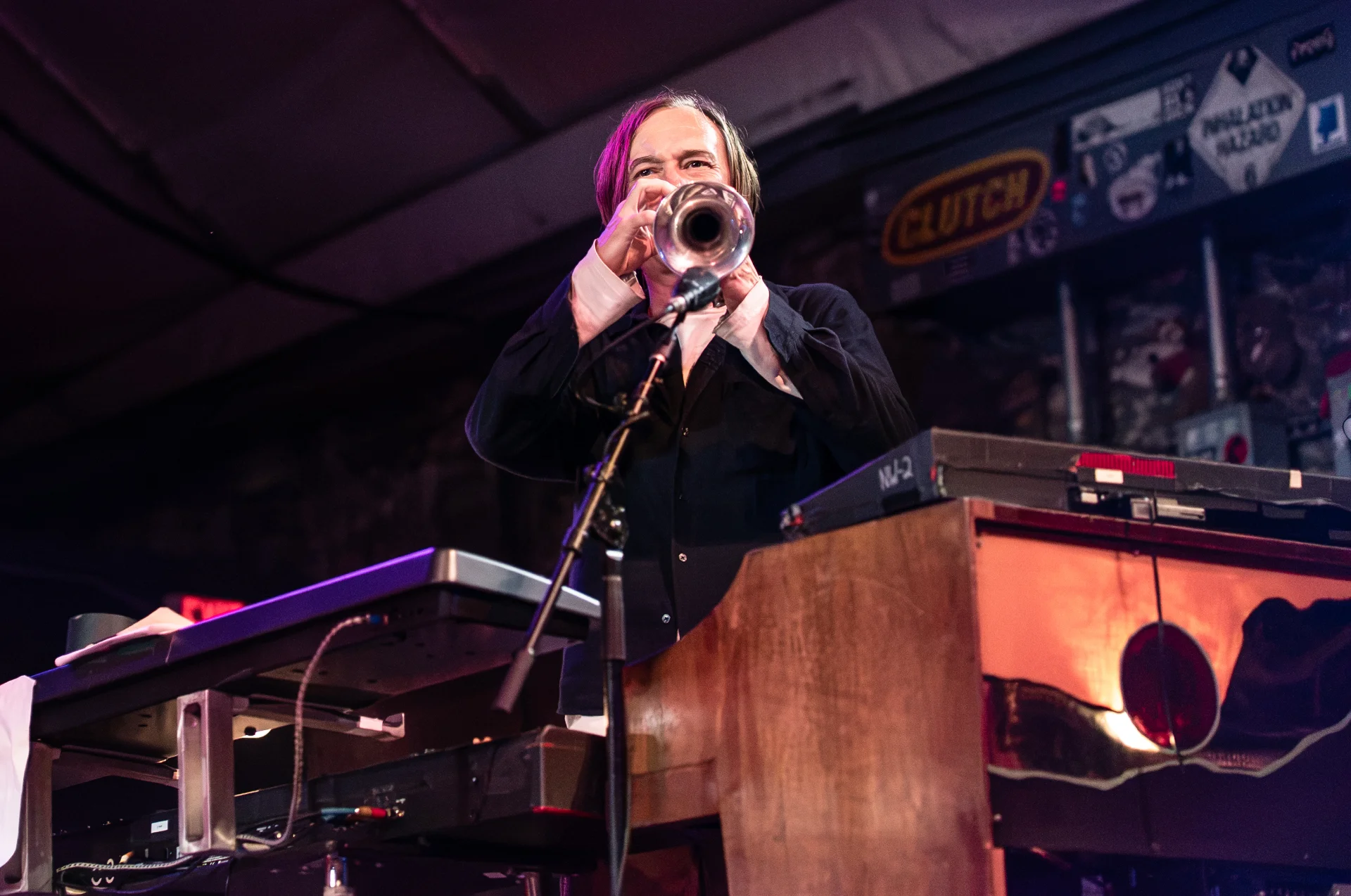
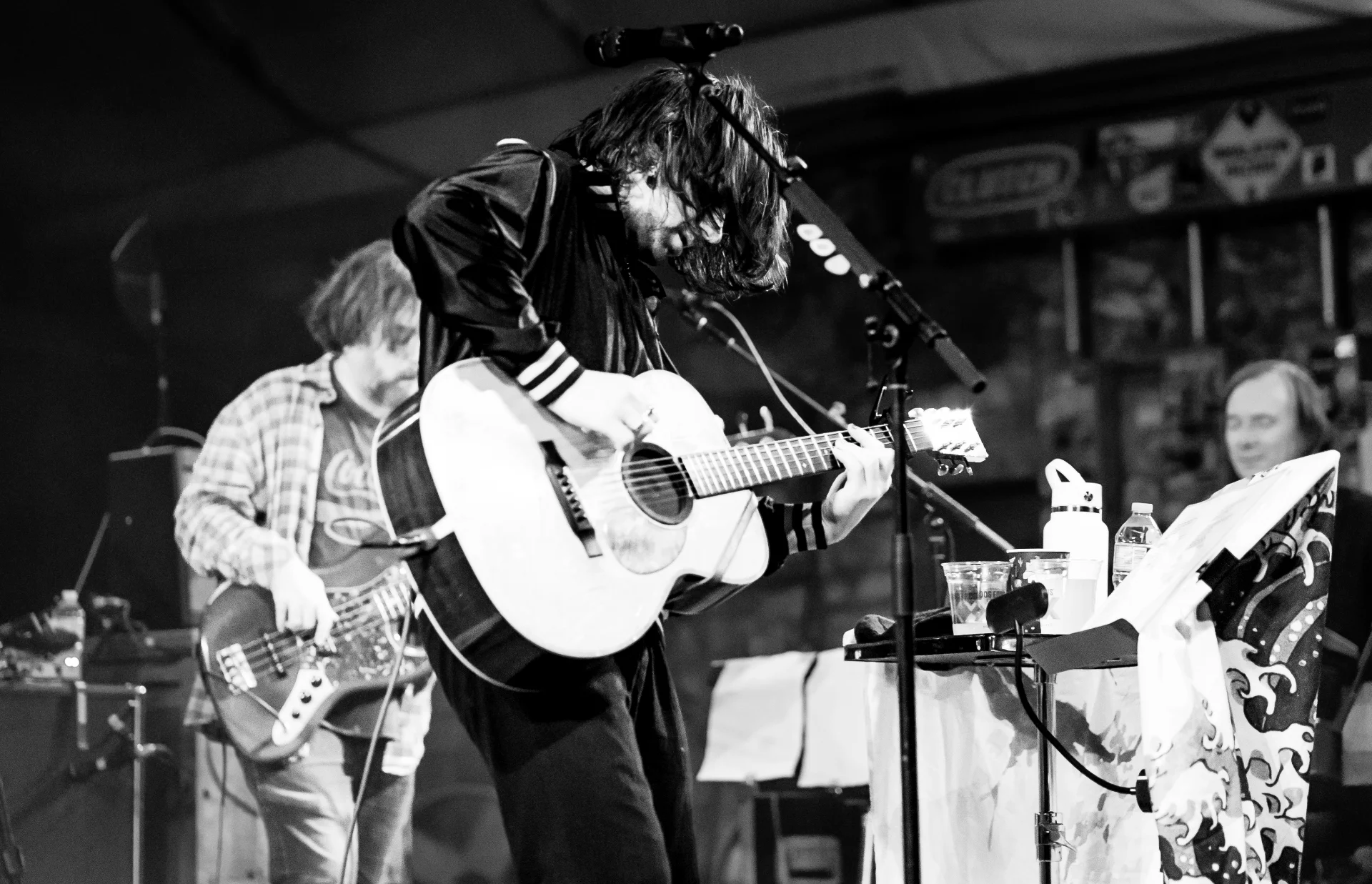
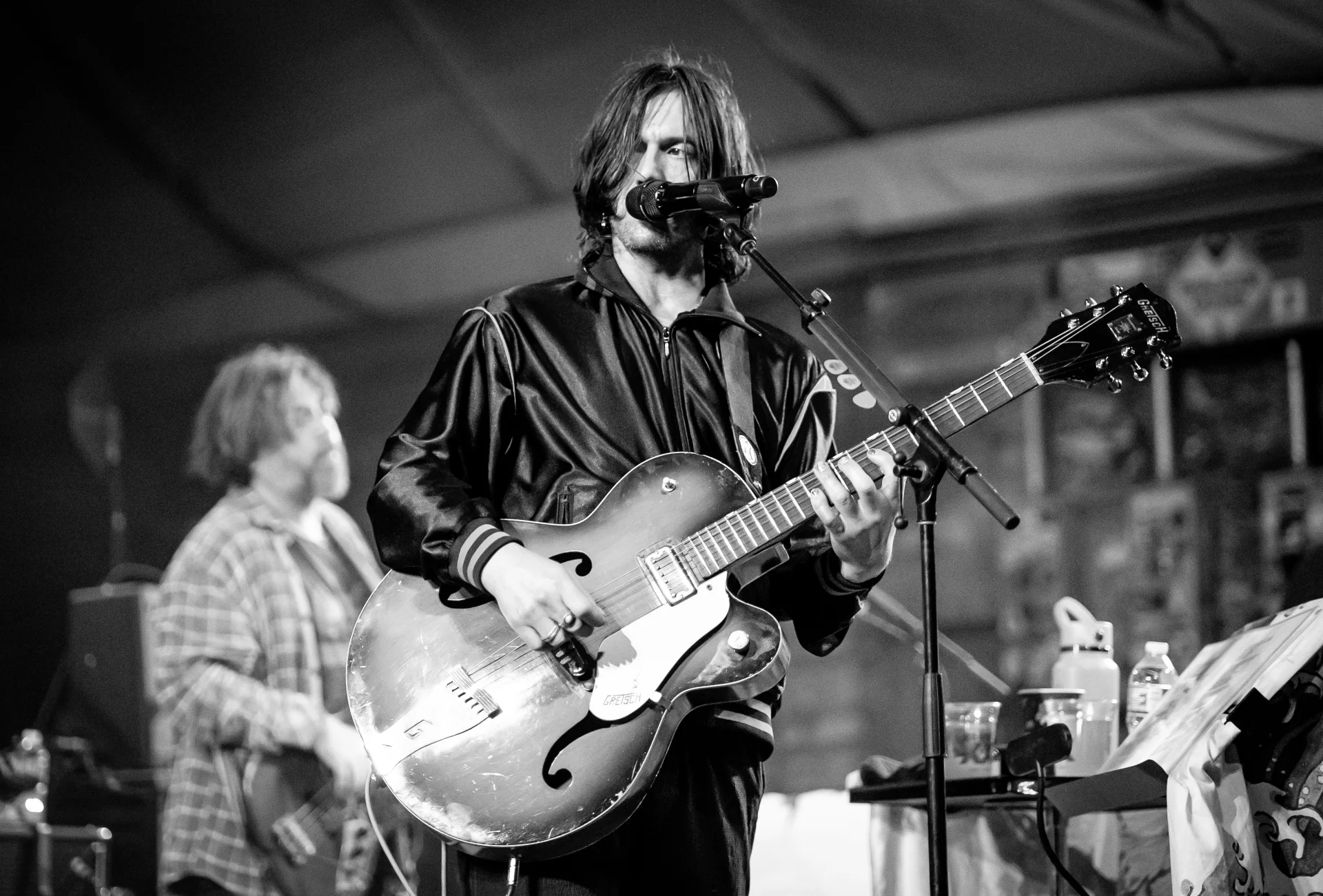
Bright Eyes played Stubb’s in Austin, Texas on October 15. It was my 39th birthday and even though they didn’t play “Let’s Not Shit Ourselves,” the set took me back to being 16, driving my 1992 Chevy Blazer in the middle of a shitty night, sad and dejected while Bright Eyes played through my crappy speakers. Conor Oberst has managed to create an energy in his live show that is as triumphant as it is sad. It’s nostalgic to a time when things were simpler, but felt worse at the time. Hearing these songs two decades later, it’s strangely hopeful.

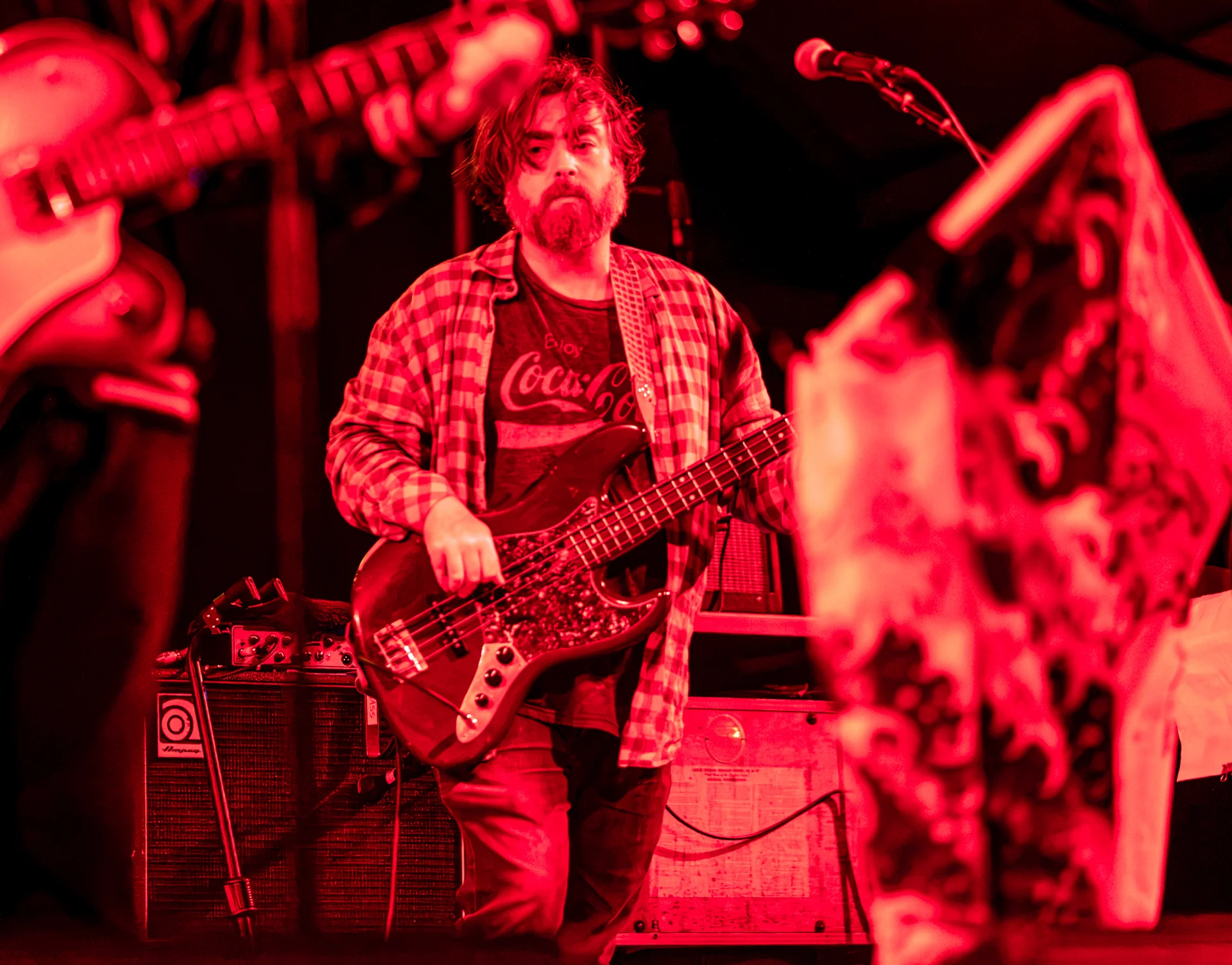
Bright Eyes was accompanied by opening band Lullaby for the Working Class - a collective rooted in the 90s Nebraska scene fronted by Ted Stevens of Cursive and featuring jack-of-all-trades music paragon Mike Mogis. The band was made up of the same players that accompanied Bright Eyes later in the night - Conor Oberst, himself added some guitar and xylophone work to a handful of songs too. The band hadn’t truly been active since the late 90s and Oberst gushed at the opportunity to bring them back for this tour to play together. It’s always comforting to witness the success of a scene that embodied the ethos of “higher tides raise all ships.” Between the early success of Commander Venus spawning the creation of Bright Eyes, Cursive and The Faint and the origin of Saddle Creek Records, the Omaha, Nebraska scene was an integral purveyor of emo history.
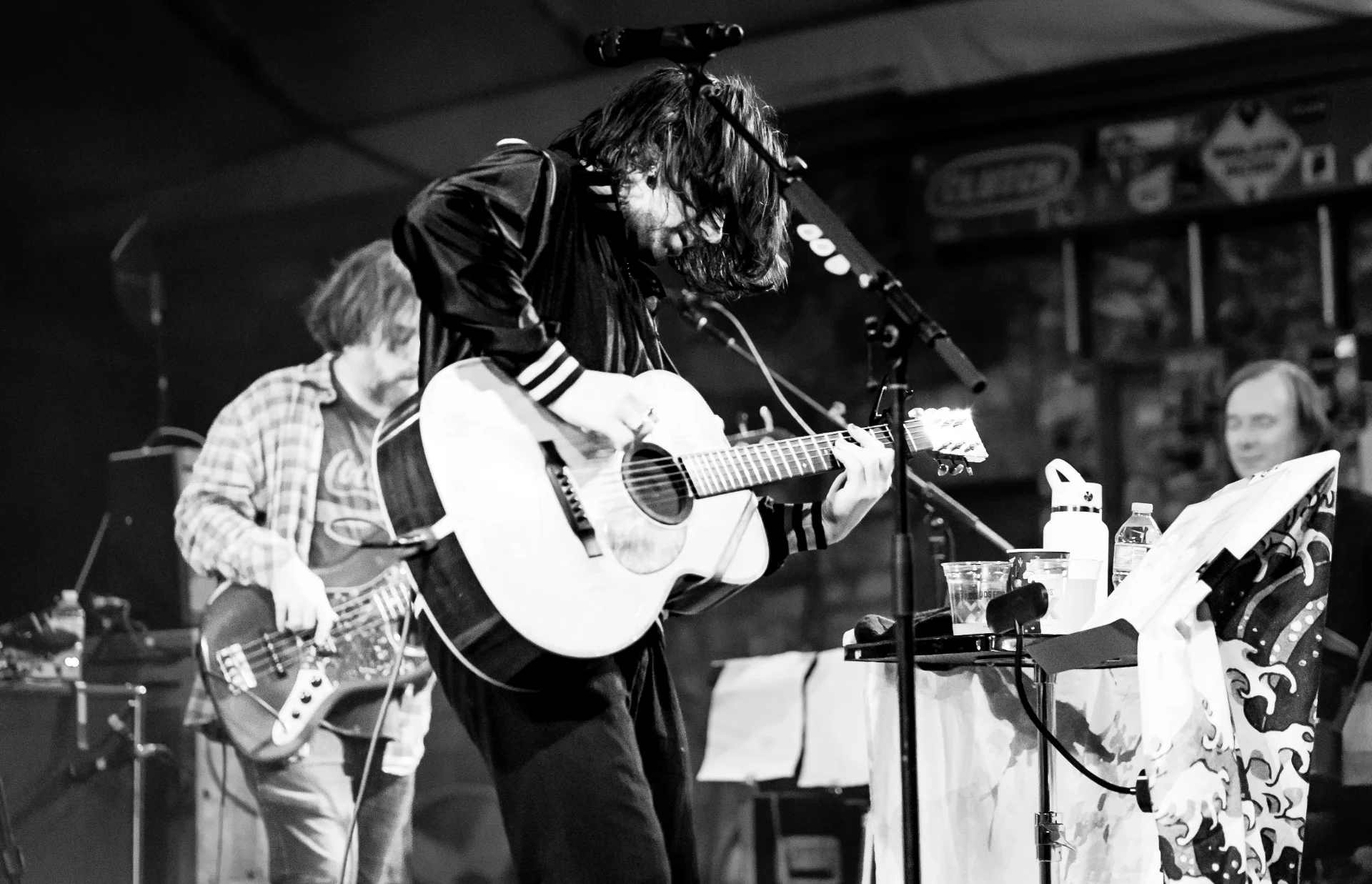
As Bright Eyes played through a set spanning their discography, they pulled heavily from the earlier albums with an overall tone of somberness. It’s the type of show that adds fuel to the fire of the cohort of people who refuse to call Bright Eyes an emo band. In the year 2026, it’s totally understandable if we’re looking at emo from a micro lens. Conor Oberst and co often have more similarities to John Prine and Neil Young than they do to Cap’n Jazz and The Get Up Kids, at least from a surface level.
Watching Conor Oberst sing the lines “So hurry up and run to the one you love and blind them with your kindness” as your eyelids are grasping for the ends of your eye sockets because you’re old and are sinking into the dirt of the venue on the third song of the encore is an experience that mirrors scream-singing “Cute Without the E” in your car in 2004 with your friends trading off vocal parts. This experience, as well as Bright Eyes and the entire Omaha, Nebraska scene is an embodiment of what emo has always been. It may sound a little different than what the incessant “real emo” copypasta says emo should sound like, but the essence of Bright Eyes is in its roots and ideology.
Emo is a spectrum, not a funnel. Just because something is “indie” or “folk” doesn’t mean it’s automatically not emo. These things aren’t mutually exclusive. Even if you try to dismiss the emo awakening of 14-year-old Conor’s voice crack in the early Commander Venus records, listen to songs like “Lover I Don’t Have to Love” or “The Calendar Hung Itself” (literally the first two Bright Eyes songs I ever heard) and tell me that they’re not emo. Search up Bright Eyes on “Is This Band Emo” or surf the archives for a playable version of Emogame to see how integral they considered Oberst and Bright Eyes to emo.
I know it’s all trivial, and in the grand scheme of things it doesn’t matter what bands we call emo. It’s just difficult for me not to consider a band that fulfilled an overwhelming sense of catharsis and comfort to an awkward teenager in the early 00s synonymous with what emo was in those 2nd to 3rd wave transition years. This was my third time seeing Bright Eyes live, and it may be the last time I see them in my 30s. It’s rare to go to a show that manages to remind you what it was like to be 16 again while also acquiescing to the feeling of growing older. Someone once said you have to read The Catcher in the Rye once every ten years and as you age, you get different things from each reading experience. This is what it’s like to listen to Bright Eyes over three different decades. The listening experiences are different, but the core sentiment is the same - maybe loving and being loved is going to be enough.

*All photographs used in this article provided by Erik Casarez